
How to Choose a Binary Options Broker: A Practical Checklist
How to choose a binary options broker: check legal status, regulation, withdrawal terms, payouts, bonus conditions and platform quality before you deposit.

To choose a binary options broker, check first that binary options are legal for you, then compare brokers on regulation and ownership transparency, withdrawal terms, payouts on the assets you trade, bonus conditions, and platform quality, and test the withdrawal process with a small amount before depositing more. Payouts get the most attention in marketing, but whether you can get your money out reliably matters more.
Why your broker choice matters
In binary options, the broker is usually your counterparty. When you win, the broker pays; when you lose, the broker keeps your stake. That structure means the broker's honesty, solvency and terms directly affect your results, not just your trading experience.
Two brokers can show the same chart and the same "up/down" buttons while differing on things that matter far more: how fast withdrawals arrive, what conditions are attached to a bonus, and what payout you actually receive at 3 a.m. on a quiet asset.
Step 1: Check legal status in your country
Binary options are banned for retail clients in the EU/EEA, the UK, Israel, Canada and Australia, and in the US they are only allowed on regulated exchanges. Elsewhere, rules vary widely.
Look up your country on our legal status map first. If binary options are restricted where you live, an offshore broker accepting you does not change the law, and you will likely have no local regulator to complain to if a dispute arises.
Step 2: Understand regulation and who you are dealing with
Regulation in this industry varies a lot in strength. Ask:
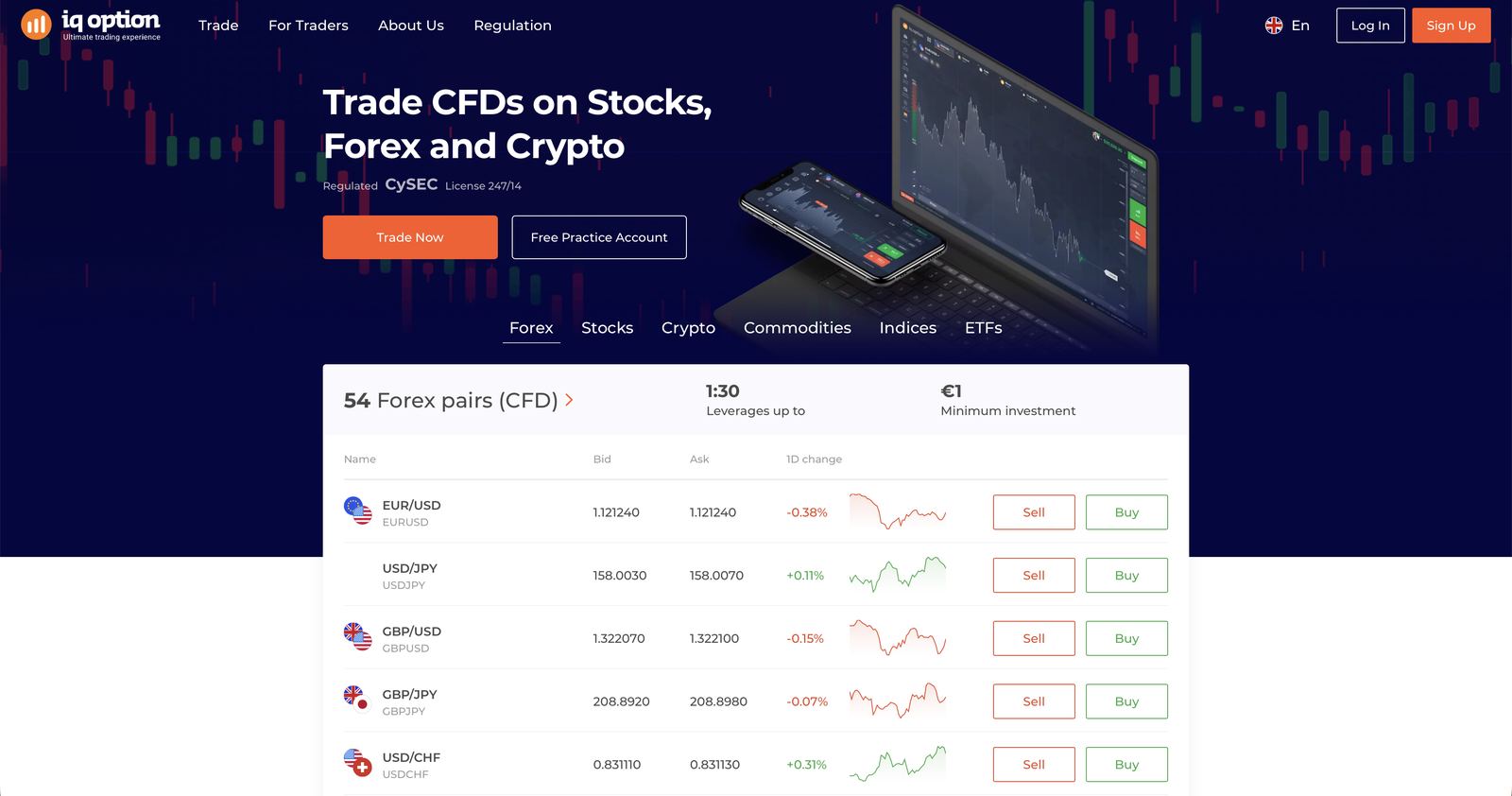
- Which company operates the platform, and where is it registered? This should be stated clearly in the website footer and the client agreement.
- Is it licensed, and by whom? A licence from a well-known government financial regulator carries more weight than registration with a private membership organisation or a company registry. Look the company up on the regulator's own website, not just the broker's claim.
- Which entity will hold your account? Some broker groups have several companies in different jurisdictions; the one you sign up with may not be the regulated one.
Tip: Copy the company name and licence number from the broker's site and search for them on the regulator's public register. If you cannot find a match, treat the claim as unverified.
Many binary options brokers operating internationally are registered offshore and are not supervised by top-tier regulators. That does not automatically make them fraudulent, but it does mean fewer protections, so the remaining checks become more important.
Step 3: Examine withdrawals closely
Withdrawals are where problems with bad brokers show up. Check:
| What to check | What a good answer looks like |
|---|---|
| Methods | The same methods you can deposit with, including ones common in your country |
| Processing time | A stated time frame, such as one to a few business days |
| Fees | Clearly listed, ideally none for standard withdrawals |
| Minimum withdrawal | Low enough that you can test with a small amount |
| Verification (KYC) | Documents requested upfront, not invented at withdrawal time |
| Restrictions | No withdrawal blocks tied to bonuses you did not knowingly accept |
Practical test: deposit a small amount, verify your account fully, make a few trades, then withdraw. If the process is slow, opaque or involves pressure from an "account manager" to deposit more, stop there.
Step 4: Compare payouts properly
Payout is the profit percentage you receive on a winning trade. It sets your break-even win rate:
Break-even win rate = 1 ÷ (1 + payout)
Example: Broker A pays 90% on EUR/USD, Broker B pays 80%. At A you need 1 ÷ 1.90 = 52.6% wins to break even; at B you need 1 ÷ 1.80 = 55.6%. Over 200 trades of $10 at a 55% win rate, Broker A gives 110 × $9 – 90 × $10 = +$90; Broker B gives 110 × $8 – 90 × $10 = –$20. Same trades, opposite results.
When comparing:
- Check payouts on the assets you will actually trade, not the headline maximum.
- Check them at the times you trade. Payouts often drop at night, on weekends or during volatile periods.
- Note whether "OTC" or synthetic weekend assets are offered, and understand that their prices are generated by the broker rather than taken directly from an open market.
Use the payout calculator and break-even calculator to compare offers.
Step 5: Read the bonus terms (or skip bonuses)
Deposit bonuses are a common lure. The catch is usually a turnover requirement: you must trade a multiple of the bonus or deposit before withdrawing.
Example: You deposit $200 and accept a 50% bonus ($100). The terms require trading volume of 30× the bonus before any withdrawal: 30 × $100 = $3,000. At $10 per trade that is 300 trades, and with a typical negative expected value per trade, the turnover requirement alone can eat into your balance before you can withdraw.
If you accept a bonus, read the terms in full. Many traders simply decline them, especially when starting.
Step 6: Check minimums and account conditions
- Minimum deposit: lower minimums let you start small and test withdrawals.
- Minimum trade size: small minimum stakes let you follow 1–2% risk per trade on a small account. Check with the position size calculator.
- Inactivity fees: some brokers charge a monthly fee after a period without trading.
- Account currency: trading in a currency other than your bank's may add conversion costs on every deposit and withdrawal.
Step 7: Evaluate the platform and demo
A good platform should offer:
- A free demo account with the same assets and payouts as the live account.
- Stable charts with the indicators you use.
- Clear display of payout, expiry and stake before you confirm a trade.
- A full trade history you can export or copy into a journal.
- A working mobile app if you plan to trade on your phone.
Spend time on the demo before depositing. Our guide on how to use a demo account explains how to make that time useful.
Step 8: Test customer support
Send support two or three specific questions before you deposit, such as: "What is the processing time for a withdrawal to my card?" and "Which company holds my account and where is it licensed?" Vague answers, or replies that steer you toward depositing, tell you a lot.
Broker comparison checklist
| Criterion | Questions | Weight |
|---|---|---|
| Legal status | Is it allowed in my country? | Must pass |
| Ownership and licence | Named company? Verifiable licence? | High |
| Withdrawals | Clear times, low fees, tested by me? | High |
| Payouts | On my assets, at my hours? | High |
| Bonus terms | Optional? Clear turnover rules? | Medium |
| Minimums and fees | Small stakes possible? Inactivity fees? | Medium |
| Platform and demo | Stable, demo matches live? | Medium |
| Support | Specific, honest answers? | Medium |
Red flags that rule a broker out
- Guaranteed profits or "risk-free" trading claims.
- Pressure from account managers or "analysts" to deposit more.
- Unsolicited contact by phone or social media.
- Withdrawals that require extra "taxes" or fees paid upfront.
- No identifiable company name or address.
Our full guide on binary options scams and red flags covers these in detail.
Where to compare
We review brokers against these criteria in our best binary options brokers ranking. Our recommended broker is Pocket Option; the review covers its ownership, withdrawal methods, payouts and demo in detail, including what its regulatory status does and does not mean for your protection. Read it and decide for yourself.
Risk warning: Even a reliable broker cannot make trading profitable. Binary options are high risk, the payout structure requires a win rate above roughly 52–56% just to break even, and most retail traders lose money.
FAQ
What is the most important factor when choosing a binary options broker?
Reliable withdrawals. High payouts and good tools are useless if you cannot get your money out. Test the withdrawal process with a small amount early.
Are offshore binary options brokers safe?
They carry more risk than brokers supervised by strong regulators, because you have fewer legal protections. Some operate reliably, others do not, so verify the company, read reviews and test withdrawals before committing larger sums.
Should I choose the broker with the highest payout?
Payout matters, but only after legal status, withdrawals and transparency check out. A slightly lower payout at a reliable broker beats a high payout at one that delays withdrawals.
Can I use more than one broker?
Yes. Some traders keep accounts at two brokers to compare payouts and reduce dependence on a single company, though it adds admin and makes record-keeping more important.
Key takeaways
- Check the legal status in your country before anything else.
- Verify the operating company and any licence on the regulator's own register.
- Test withdrawals with a small amount before depositing more.
- Compare payouts on your assets and trading hours, and calculate the break-even win rate.
- Read bonus turnover terms carefully, or decline bonuses.
- Walk away from any broker that pressures you, promises profits or asks for fees to release withdrawals.

Recommended broker
Practise this on a free Pocket Option demo
Free demo account, $1 minimum trade and payouts up to 92%. Test everything with virtual money first.
Binary options are high risk and not available in every country. Check the legal status where you live.
Next in Practical Guides
Binary Options Scams: 12 Red Flags and How to Protect Yourself
This guide is for educational purposes only and is not financial advice. Binary options are high risk and banned for retail clients in many countries. See our risk disclaimer.
Keep learning
How to Start Trading Binary Options: A Step-by-Step Plan for Beginners
How to start trading binary options step by step: check legality, learn the payout math, practise on demo, pick a broker and size your first real trades.
8 min read · 6 Aug 2026Practical GuidesHow to Use a Binary Options Demo Account (So the Practice Actually Counts)
How to use a binary options demo account properly: set a realistic balance, trade written rules, log 100+ trades and judge results against break-even.
7 min read · 9 Aug 2026Practical GuidesHow to Choose Expiry Time in Binary Options
How to choose expiry time in binary options: match expiry to your chart time frame and setup, avoid ultra-short trades and test choices on a demo first.
7 min read · 23 Aug 2026